
What Makes a Website Convert Visitors Into Leads
Updated for 2026 · 5-minute read
website converts visitors into leads when it is clear, fast, trustworthy, and focused on one main action. Most small business websites fail because they look fine but do not guide visitors to take the next step. This article explains what actually makes a website convert, in plain language.
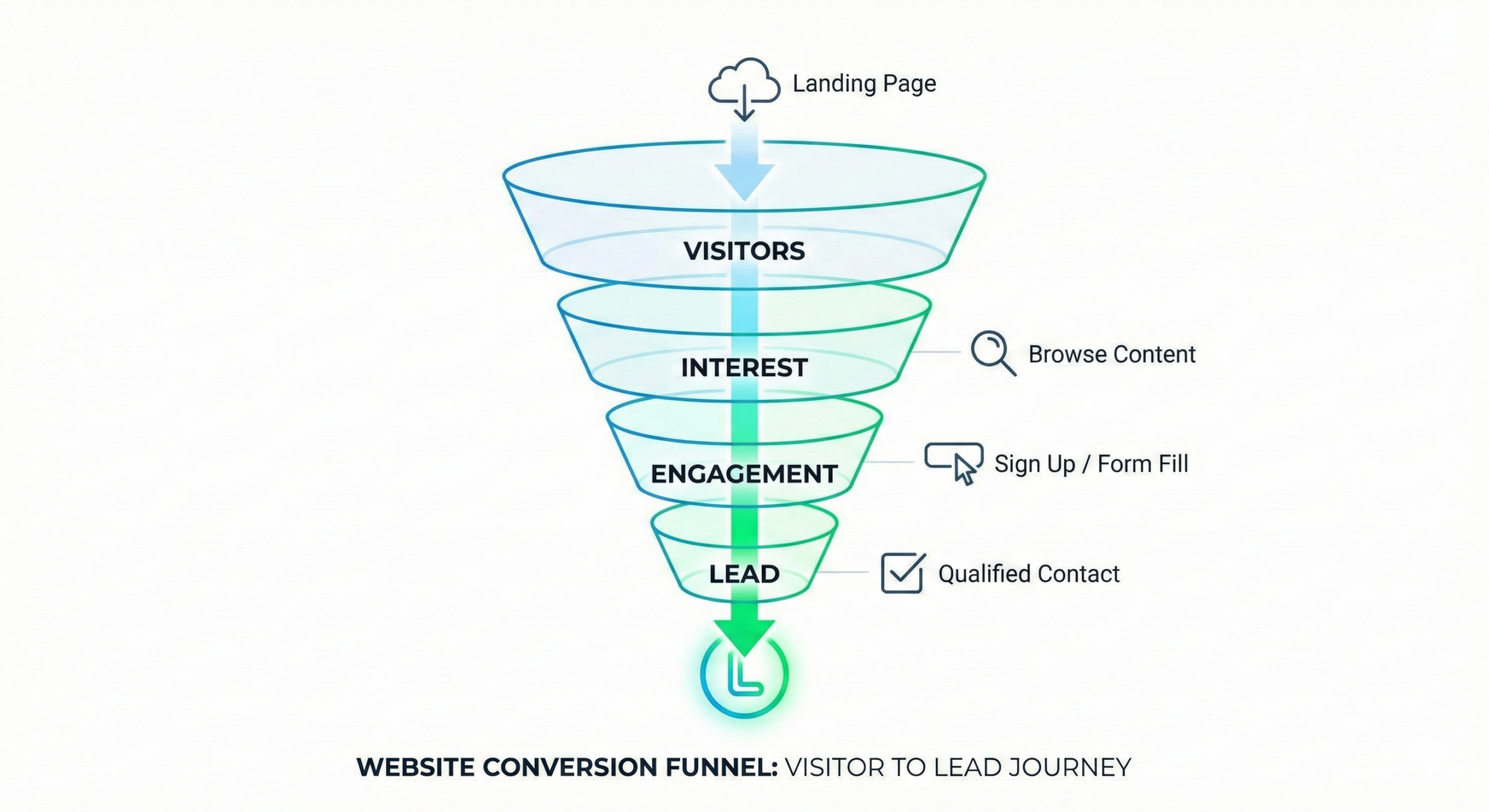
Why website conversion matters
Getting people to your website is only half the job. If visitors do not contact you, book a call, or request a quote, the website is not doing its job.
A high-converting website helps your business by:
Turning traffic into enquiries
Reducing wasted ad spend
Making SEO more valuable
Building trust before first contact
This is why conversion is more important than traffic alone.
1. Clear purpose on every page
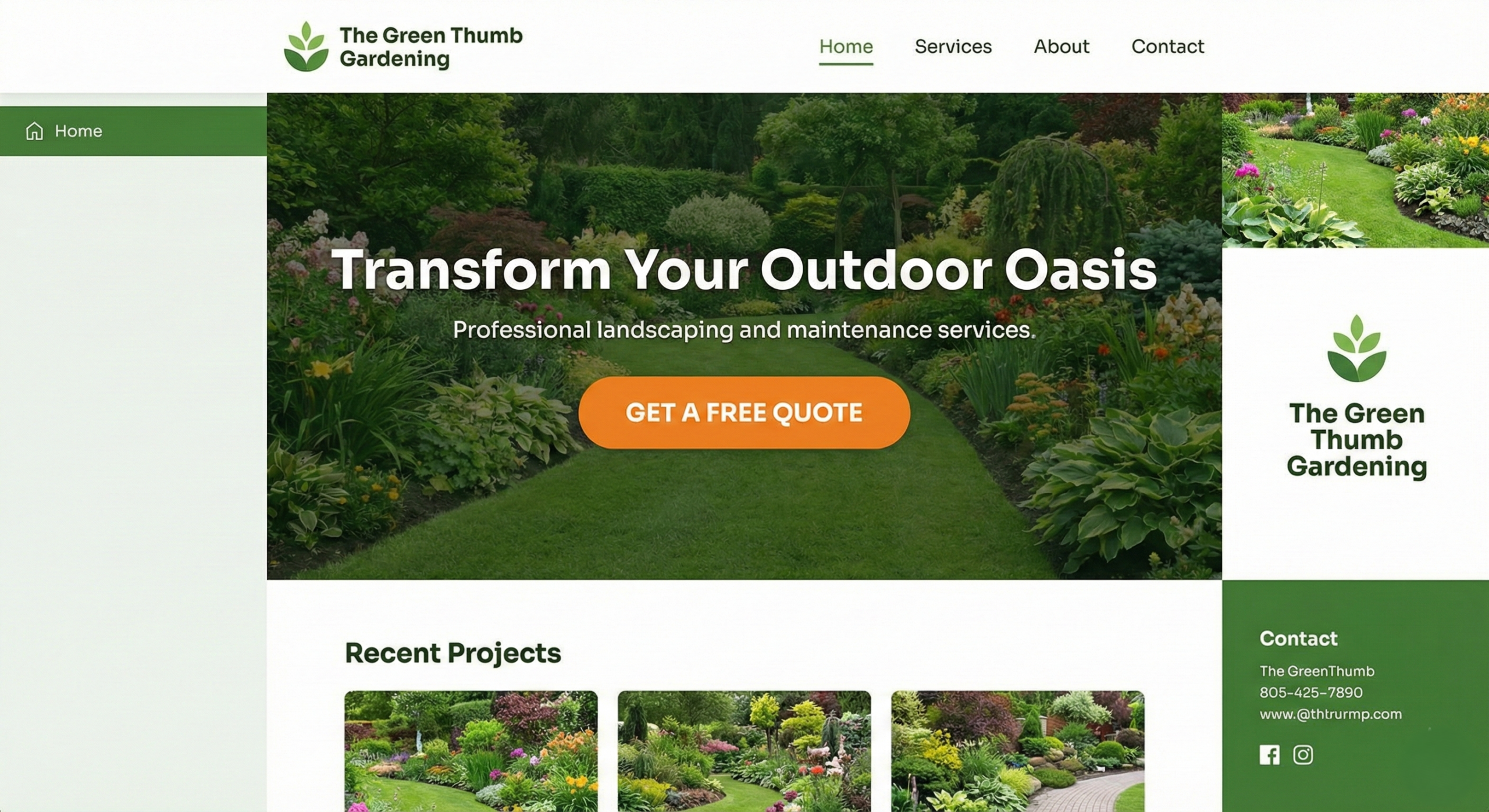
A converting website has one clear goal per page.
Visitors should immediately understand:
Who the website is for
What problem you solve
What they should do next
If a visitor has to think too much, they leave.
Good examples of clear actions
Request a quote
Book a consultation
Call now
Get a free check
Common mistake
Trying to do too many things on one page. This confuses users and reduces action.
2. Simple and direct messaging
People do not read websites word for word. They scan.
A converting website uses:
Short sentences
Simple words
Clear headings
Real business language
Avoid:
Buzzwords
Vague promises
Long introductions
Technical explanations without context
If a business owner cannot understand your message in a few seconds, the page is not converting.
3. Fast loading speed
Speed affects both users and search engines.
If your website is slow:
Visitors leave before it loads
Google ranks it lower
Ads cost more per click
A converting website:
Loads quickly on mobile
Uses compressed images
Avoids heavy scripts and unnecessary animations
Speed is not a technical detail. It is a conversion factor.
4. Strong calls to action
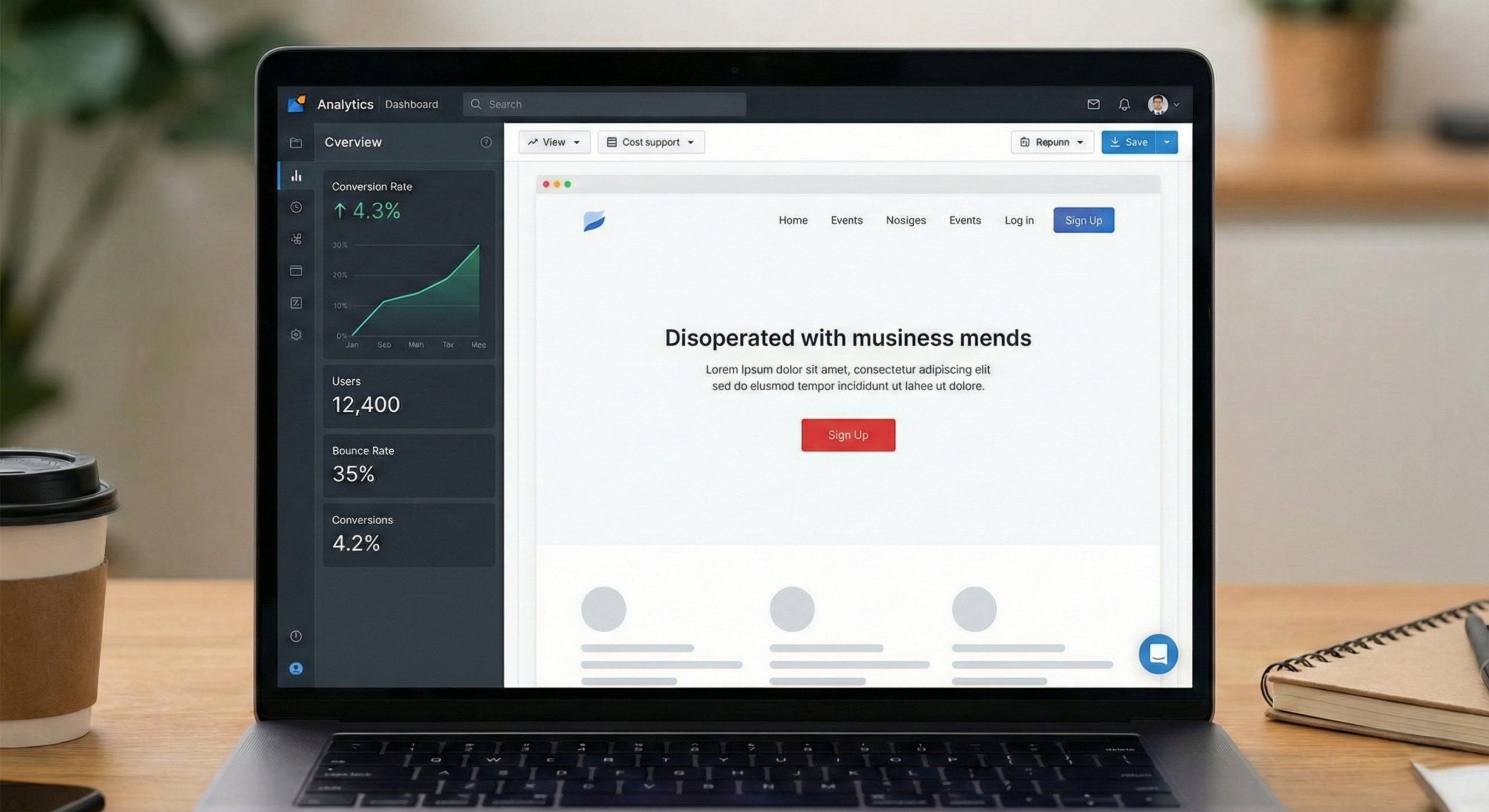
A call to action tells visitors what to do next.
Every important page should include:
A visible call to action above the fold
Repeated calls to action further down the page
Clear wording that explains the benefit
Examples
Get a free website review
See how we can help
Weak or missing calls to action are one of the main reasons websites do not convert.
5. Trust signals that reduce doubt
People will not contact a business they do not trust.
A converting website includes:
Real testimonials
Client logos where appropriate
Clear contact details
About information with real people
Clear location and service areas
Trust removes hesitation. Hesitation kills conversions.
6. Mobile-first design
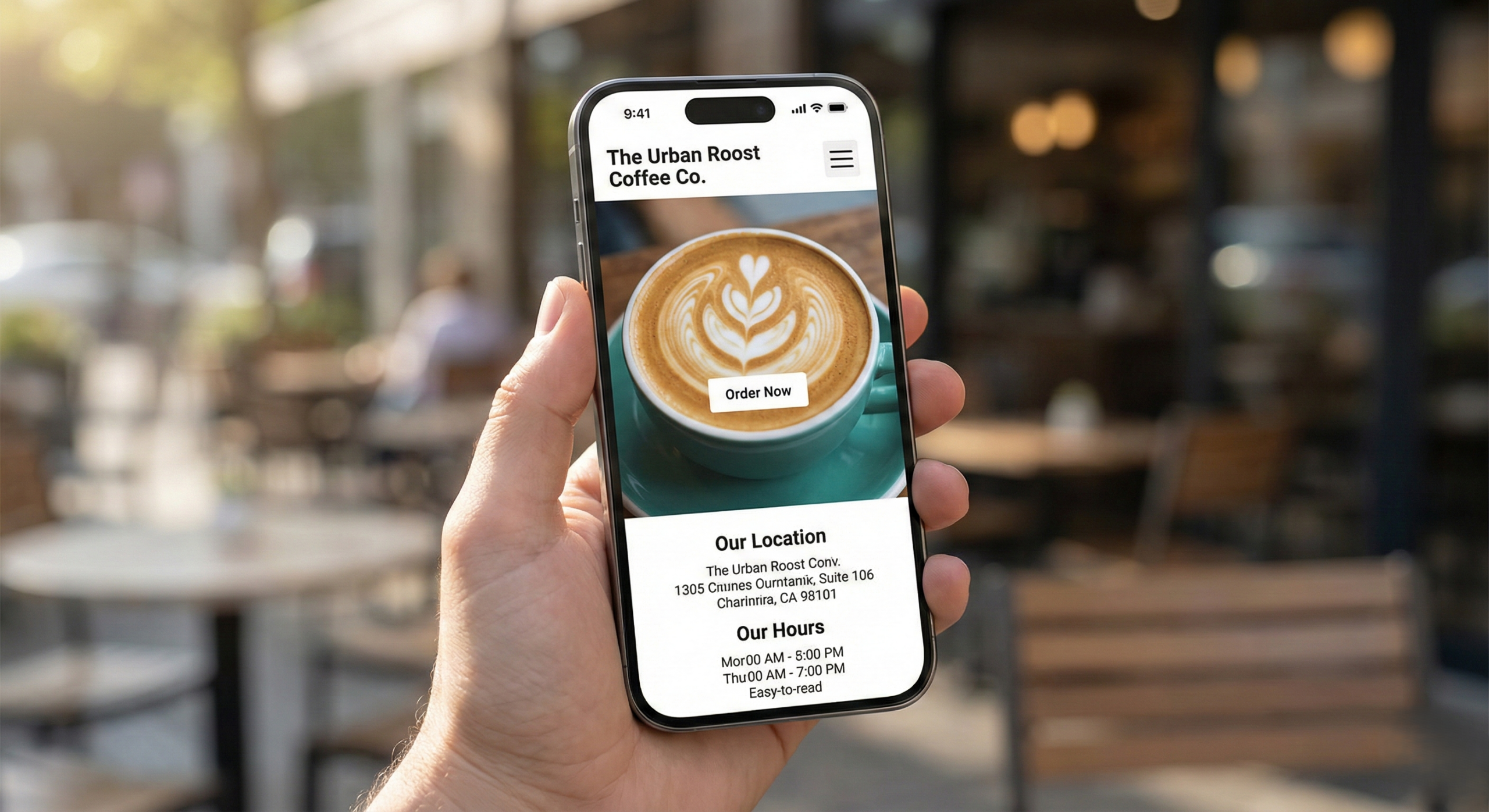
Most visitors come from mobile devices.
If your website is hard to use on a phone:
Buttons are missed
Forms are abandoned
Visitors leave quickly
A converting website:
Has large, tappable buttons
Uses short forms
Keeps content easy to scroll
Makes contact simple on mobile
Mobile usability is essential for both SEO and conversions.
7. One problem per page
High-converting pages focus on one main problem and one main solution.
Trying to explain everything about your business on every page reduces clarity.
Good practice:
One main message
One main action
This helps users and helps search engines understand your content better.
Common reasons websites fail to convert
Too much text and not enough clarity
No clear next step
Generic messaging
Slow performance
Poor mobile experience
No proof or trust signals
Most of these issues are easy to fix once they are identified.

What to do next
If your website gets visitors but not enquiries, conversion is likely the issue.
The next step is to:
Review your main pages
Check clarity, speed, and calls to action
Look at how the site works on mobile
Identify where users are dropping off
In the next article, we will explain why traffic alone does not grow a business, and how to connect website performance with real results.